
How to Protect Your Computer from Malware and Viruses (Complete Security Guide)
Post dLearn how to protect your computer from malware, viruses, ransomware, and spyware with these essential cybersecurity tips. Discover practical strategies to keep your data and system safe.escription
CYBERSECURITY & ANTIVIRUS
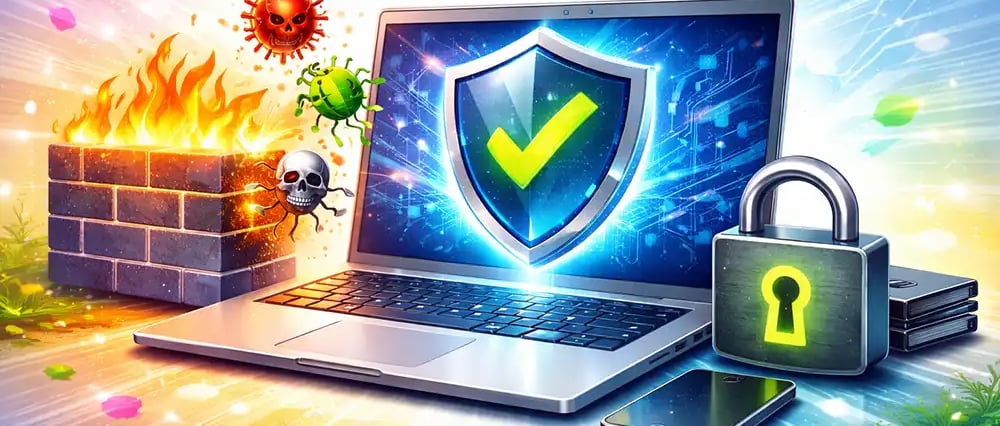
Computers have become an essential part of our daily lives. From online banking and shopping to work and entertainment, we rely heavily on our devices. However, this convenience also brings risks. Malware, viruses, ransomware, and spyware are constantly evolving, targeting both individuals and businesses.
A single infected file or malicious link can compromise your personal data, slow down your computer, or even allow hackers to take control of your system.
The good news is that protecting your computer does not require advanced technical knowledge. With a few smart habits and the right tools, you can significantly reduce the risk of malware infections.
In this guide, we will explore practical and effective strategies to keep your computer safe from malware and viruses.
What Are Malware and Computer Viruses?
Before learning how to protect your computer, it is important to understand the threats. Malware is a general term for malicious software designed to damage, steal, or disrupt systems.
Common types include:
Viruses – Programs that attach themselves to files and spread to other systems.
Ransomware – Locks your files and demands payment to restore access.
Spyware – Secretly collects personal information.
Adware – Displays unwanted advertisements and tracks browsing activity.
Trojans – Disguised software that gives hackers access to your computer.
These threats can arrive through downloads, email attachments, unsafe websites, or infected USB drives.
🔐 About Genuine Softwares
We provide 100% genuine and verified software licenses at affordable prices. Instant delivery, secure payments, and reliable customer support — helping you stay protected and productive.
🛒 Popular Products
Explore some of our most popular genuine software licenses trusted by thousands of users.
🔎 Search Software
📩 Subscribe
📚 Blog Categories
Browse our helpful guides and tutorials to learn more about installing, activating, and using genuine software effectively.
Helpful tutorials for installing, activating, optimizing, and managing Microsoft Windows.
Helpful tutorials for installing and using Microsoft Office applications.
Learn how to choose the right software license for home or business.
Tips to keep your computer safe from malware, viruses, and cyber threats.
Compare different software versions to find the best option for your needs.
Quick solutions for software errors, installation issues, activation problems, performance fixes.
⭐ Why Choose Genuine Softwares?
We focus on delivering trusted, affordable, and genuine software solutions for individuals and businesses worldwide.
✔ 100% Genuine Software Licenses
✔ Instant Digital Delivery
✔ Secure Payment Methods
✔ Affordable Prices
✔ Activation Support Available
10 Powerful Ways to Protect Your Computer
1. Install Trusted Antivirus Software
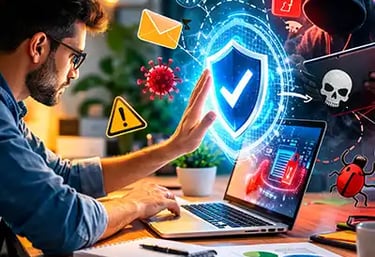
One of the most important steps is installing reliable antivirus software. Antivirus programs scan your system for suspicious files and block malware before it can cause damage.
A good antivirus solution provides:
• Real-time protection
• Malware detection
• Automatic scanning
• Web protection
Make sure your antivirus is regularly updated so it can recognize new threats.

2. Keep Your Operating System Updated
Operating systems release security updates to fix vulnerabilities that hackers exploit. Always enable automatic updates for your system. Regular updates help protect your device from newly discovered security risks and improve overall performance.
3. Avoid Downloading Software from Untrusted Sources
Many malware infections occur because users download pirated software, cracked programs, or files from suspicious websites.
To stay safe:
• Download software only from official websites
• Avoid torrent downloads
• Use trusted software vendors
Using legitimate software ensures your files are safe and free from hidden malware.
4. Be Careful with Email Attachments
Cybercriminals often spread malware through phishing emails. You should never open attachments or click links from unknown senders.
Warning signs include:
• Urgent messages asking for action
• Suspicious attachments
• Emails requesting passwords or personal information
If an email looks suspicious, delete it immediately.
5. Use a Strong Firewall
A firewall acts as a barrier between your computer and the internet. It monitors incoming and outgoing network traffic and blocks suspicious connections. Most operating systems include built-in firewalls, but you must ensure they are enabled and properly configured.
6. Use Strong and Unique Passwords
Weak passwords make it easier for hackers to access your accounts.
Use passwords that include:
• Uppercase and lowercase letters
• Numbers
• Special characters
Avoid using the same password across multiple accounts. Consider using a password manager to store and manage secure passwords.
7. Enable Two-Factor Authentication
Two-factor authentication (2FA) adds an extra layer of protection. Even if someone steals your password, they still need a second verification code to access your account. Many services such as email, banking apps, and cloud storage now support 2FA.
8. Avoid Clicking Suspicious Links
Malicious websites can automatically download malware to your device. Always check links before clicking them.
Tips:
• Hover over links to see the destination
• Avoid shortened URLs from unknown sources
• Never click pop-up ads promising free software or prizes
9. Backup Your Important Data
Regular backups protect your data from ransomware and system failures.
Use:
• External hard drives
• Cloud storage services
• Automatic backup software
If malware damages your files, backups allow you to restore your data quickly.
10. Use Genuine and Licensed Software
Using pirated or cracked software is one of the biggest security risks. These versions often contain hidden malware or spyware.
Genuine software provides:
• Security updates
• Official support
• Safe installation files
Purchasing licensed software is a smart investment in your computer’s security.
Signs Your Computer Might Be Infected
Even with protection, infections can still occur. Watch for these warning signs:
• Slow computer performance
• Frequent pop-up ads
• Unknown programs installing automatically
• Browser redirects to suspicious websites
• Antivirus software being disabled
If you notice these symptoms, run a full malware scan immediately.
Final Thoughts
Cyber threats are increasing every day, but protecting your computer does not have to be complicated. By using trusted antivirus software, keeping your system updated, avoiding suspicious downloads, and practicing safe browsing habits, you can significantly reduce the risk of malware infections.
The most important rule is simple: stay cautious and use genuine software whenever possible. A secure computer not only protects your personal data but also ensures a smoother and safer digital experience.
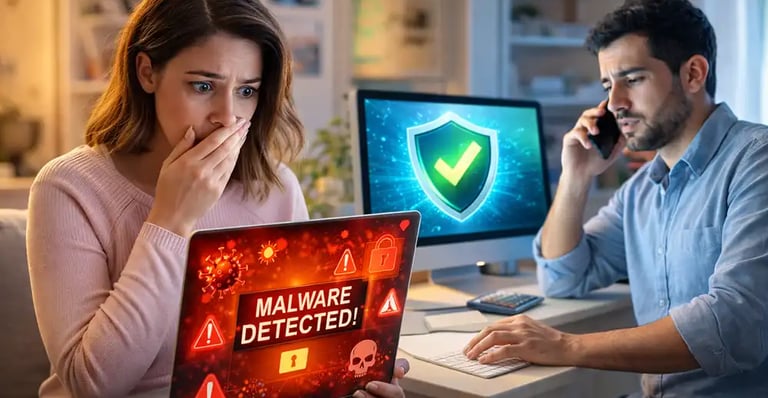

How to Protect Your Computer from Malware and Viruses
Genuine
Authentic Microsoft Software Solutions at Unbeatable Prices, Instant Delivery, Trusted Worldwide.
Support & Contact
Newsletter
customercare@genuinesoftwarekeys.com
+960 796 4737
© 2026. Genuine Software Keys. All rights reserved.
100% Genuine Software


Genuine License Guaranteed






Instant Delivery
Secure Payments
24/7 Customer Support
via Email
SSL Encrypted
We’re Here Anytime


Software Keys
Subscribe Now & Unlock Exclusive Deals, Special Discounts, and the Latest Offers.
Available 24/7 – Get a Response Within 2 Minutes, Anytime You Need Us.
Popular Products


We Accept




✔ No Spam
✔ Special Offers
✔ Early Access Details
SSL Secured
Your data is safe with us
Delivery Policy | Terms and Conditions
Microsoft Office 365 Professional Plus